
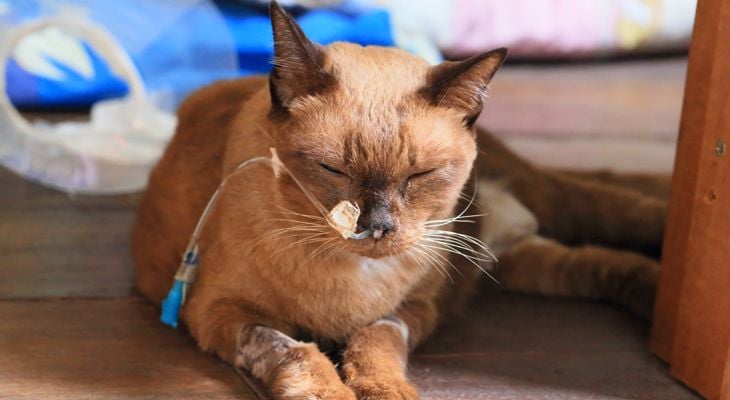
The term “cancer” describes a whole class of diseases. If your cat gets a cancer diagnosis, it means that undesirable cells are growing uncontrollably, invading nearby tissue and possibly spreading through your cat’s body. Some types are more serious than others. As with people, early detection leads to the best prognosis.
Both environmental and hereditary factors can cause a cat to develop cancer. The disease is especially common in older cats and cats with white heads or white ears.
Different veterinarians may prescribe different treatments for cats with cancer. Don’t hesitate to get a second opinion when you are figuring out what the best course of treatment is for your cat.
Symptoms
Different types of cancer have different symptoms. Keep in mind that these symptoms could have a different cause other than cancer. Here are a few general ones to watch out for:
- Persistent infections, red scaly patches or sores on the skin
- Lumps
- Unusual discharges
- Swelling
- Bad breath
- Behavioral changes, including listlessness
- Weight loss
- Decreased appetite
- Diarrhea or vomiting
- Sudden lameness
- Short of breath
- Difficulty urinating or defecating
Lymphoma
Lymphoma is the most commonly diagnosed form of cancer in cats. This malignant cancer is often caused by the feline leukemia virus (FeLV). FeLV can be passed from a mother to her kittens or through direct contact with an infected cat, such as through saliva. Lymphoma attacks a cat’s lymph system, which circulates lymphatic fluid throughout the body. Functions of the lymph fluid include oxygen delivery to cells, metabolic waste product collection, fat absorption and removal of bacteria and viruses. Cats are most at risk for lymphoma if they go outdoors, have not been vaccinated against FeLV and are between 10 and 12 years old. Exposure to tobacco smoke can elevate their risk. Depending on the case, veterinarians may prescribe surgery or chemotherapy to prolong a cat’s life.
Squamous Cell Cancer
Squamous cell carcinomas (SCC) manifest as small, scabby sores on a cat’s skin. If caught early, these skin cancers are easily treated. Undetected, the cancer can spread through the cat’s body, eventually causing death.
Sun exposure is the most common cause of SCC; though burns or trauma can also damage these skin cells. White or lighter-colored cats are most susceptible, often developing sores on the least-hairy areas of their bodies. Owners of white cats should monitor any sores on a cat’s eyelids, ear tips, nose, lips or inside their mouths. Other symptoms include bad breath, drooling, weight loss, lack of appetite or swelling in the jaws. If you see anything suspicious, call your feline veterinarian immediately. Early detection can save your cat’s life. Treatment options include surgical removal of lesions, radiation, chemotherapy and cryotherapy, or freezing the sore.
Mammary Tumors
About one-third of cancer cases in cats involve their mammary glands. This type of cancer is most common in female cats over 10 years old. Most of these malignancies are called adenocarcinomas. They start in a gland under the cat’s nipple, eventually spreading to the kidneys, liver, lungs, lymph nodes and other parts of the body. While the cause is unknown, researchers associate this type of cancer with the cat’s hormonal status, especially progesterone and estrogen. Siamese cats face twice the risk of other cat breeds and may develop the disease at a younger age. Treatment options include mastectomy or chemotherapy, depending on how advanced the cancer is. The prognosis is good if the disease is caught early.
Cats spayed prior to 6 months of age drastically decrease their odds of developing mammary tumors later in life. Owners can monitor their cat’s nipples by feeling around the mammary glands on a weekly basis. If you detect any lumps of tissue, call your vet right away.
Treatment
Depending on the stage of the cancer and the age of the cat, you and your veterinarian will discuss the best treatment options. Younger cats and early detection can prove a winning combination. However, owners of senior cats with more advanced cancer may decide it’s best to give loving palliative care for the duration of the cat’s life, rather than putting their pet through invasive procedures for only a slight gain in longevity. Your vet can help you determine the most compassionate way to help your cat through his or her cancer journey. Whether or not your cat’s cancer is curable, your vet can advise on measures to give your feline the best quality of life possible.
Home Care for the Cancer Patient
If you are caring for a terminally ill cat, talk to your vet about how you can keep him or her happy and comfortable for as long as possible. This might involve pain medications, changes in diet, administering subcutaneous fluids, hygiene assistance and modifying your cat’s living area. While it can be very sad and stressful to care for your friend in his or her last stage of life, the time spent together is precious.
We empathize with the difficulty of a cancer diagnosis. If your cat is displaying any of these symptoms—or you desire a second opinion—call us today so we can schedule an appointment immediately.