Would you like to switch to the accessible version of this site?

Go to accessible site Close modal window

Don't need the accessible version of this site?

Hide the accessibility button Close modal window
Accessibility View Close toolbar

(775) 825-7984

Open mobile navigation
  • Home
  • About Us
    • Meet The Team
    • Virtual Office Tour
    • Pet Memorials
  • New Patient Center
    • Online Forms
    • Payment Options
    • Veterinary Resources
  • Services
    • Rx Home Delivery
    • Dentistry
    • Ultrasound
    • Laser Therapy
    • Cancer Treatment
    • Geriatric/Hospice Care
    • Online Medical Records
    • Veterinary Topics
    • Pet Selector
  • Contact Us
    • Emergencies
    • Schedule an Appointment
  • Schedule Appointment
  • Galleries
  • Petsimonials
  • Links
  • Careers
  • Blog
  • Home >
  • Articles >
  • Feline >
  • Pet Health >
  • Diseases and Viruses >
  • Feline Pancreatitis

Feline Pancreatitis

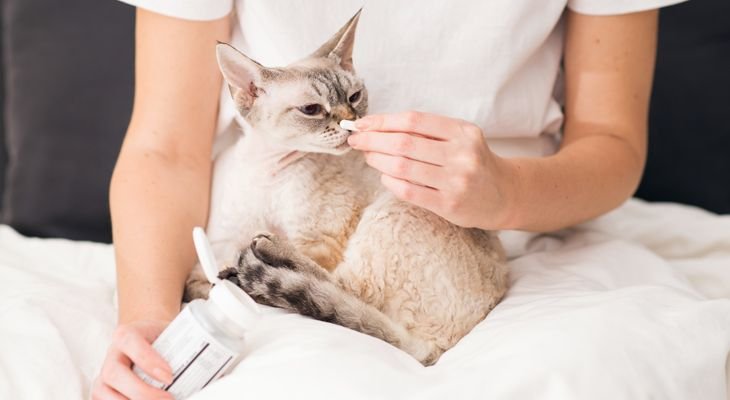
cat getting medicine
Pancreatitis is rare in cats, but can be very serious. It comes in two forms: chronic and acute, with chronic being more common for cats. The disorder happens when something triggers the pancreas to start destroying its own tissue.

Function of the Pancreas

This V-shaped organ is small—a cat’s pancreas weighs only about six ounces—but has big responsibilities. It sits between a cat’s duodenum and left kidney and controls both endocrine and exocrine functions.

Endocrine

Clusters of cells within the pancreas produce the hormones glucagon and insulin. Glucagon helps produce blood sugar. Insulin helps control the level of blood sugar in circulation. Diabetes mellitus, which disrupts normal metabolism of nutrients, is the most common pancreatic disorder.

Exocrine

Part of the pancreas produces and secretes enzymes that the small intestine activates and uses to break down proteins, fats and carbohydrates for digestion. If the enzymes do not make it to the small intestine, instead leaking out into the pancreas, they start to destroy the tissue of the pancreas itself. This is pancreatitis. If pancreatitis destroys enough cells, the cat cannot produce sufficient digestive enzymes, leading to an even more serious condition called exocrine pancreatic insufficiency (EPI).

Causes and Risk Factors

While the cause of pancreatitis is unknown, researchers have several theories. These include:

  • A defect in the cat’s natural defense mechanisms
  • High-fat diet
  • Exposure to insecticides or other poisons
  • Infections
  • Metabolic disorders, including having too much calcium in the bloodstream
  • Physical trauma, especially to the abdomen
  • Parasitic infection
  • Certain medications, including anti-cancer drugs and antibiotics
  • Liver disease
  • Inflammatory bowel disease
  • Bacteria migrating from the intestines to the pancreatic duct
  • Genetics may be involved, as Siamese and domestic shorthair cats appear to face an elevated risk

Symptoms

Unfortunately, the symptoms of pancreatitis mirror those of many other conditions. Symptoms include dehydration, weight loss, loss of appetite and lethargy. Other signs of pancreatitis are jaundice, elevated heart rate and changes in breathing.

In more advanced cases, vets may notice heart arrhythmias, infections, breathing troubles and, eventually, hemorrhaging.

Diagnosis

Since pancreatitis shares many symptoms in common with other disorders, your vet will need to rule out other things before making a diagnosis. After a physical exam, he or she may order blood tests, urine tests, ultrasounds and/or X-rays. Biopsies are the most conclusive, but vets seldom perform this test as it is painful and hard on an ailing cat.

Treatment

If your cat is vomiting or in pain, your veterinarian will address these symptoms by administering appropriate medications. Dehydration—frequently seen in cats with pancreatitis—can be reversed with supplemental fluids.

Your vet may advise a bland diet of low-fat, easy-to-digest food. In some cases, your vet might want to tube-feed a cat that refuses to eat. Appetite stimulants, B-12 injections and supplemental pancreatic digestive enzymes may help right nutritional imbalances.

If your cat stops eating, is listless or in pain, call our office right away. Never give your cats painkillers intended for humans, as these are dangerous for cats. Instead, we can help devise the best course of treatment to restore your cat’s good health.

No article settings found. Please configure it

Featured Services

  • Online Forms

    Our patient forms are available online so they can be completed in the convenience of your own home or office.
  • Services

    We strive to provide complete care for our patients. Learn more about all the services we provide.

Office Hours

Monday:

7:30 AM-5:30 PM

Tuesday:

7:30 AM-5:30 PM

Wednesday:

7:30 AM-5:30 PM

Thursday:

7:30 AM-5:30 PM

Friday:

7:30 AM-5:30 PM

Saturday:

Closed

Sunday:

Closed

Find Us

Check out the map below to locate SWVH!

Testimonials

We love to hear your feedback!

  • "Southwest Vet is a wonderful place to take our animals. The front desk ladies are knowledgeable, patient, and compassionate. The vet techs are so wonderful with our animals. And Drs. Sargent and Rasmussen are just the tops!! The care our animals receive is extraordinary!!"
    Sarah S.
  • "Thank you so much for all that you do. You have always gone above and beyond for my pets and I. I feel truly blessed to have found you when I moved to Reno. Tank thinks you’re pretty awesome, too!"
    Ashley D.
  • "Thank you to each and every one of you who helped care for Gus while he was recovering during his long and scary week with Parvo. We can’t thank you enough for everything you did to get our loving and playful guy home."
    Aaron and Lisa C.
  • "So rare it seems to encounter an entire professional office who are as smart as they are kind. We are so grateful to have you care for Einstein. Thank you for your excellent care, patience and generosity."
    Leah R.

Featured Services

  • March Newsletter: How to Keep Your Cat Safe When Outdoors

    Wondering how your cat can safely spend time outdoors? ...

    Read More
  • March Newsletter: How to Choose Safe Blankets for Pets

    Do you know how to pick a safe blanket for your pet? ...

    Read More
  • February Newsletter: How to Reduce Dental Anxiety in Pets

    Does your pet hate toothbrushing? These tips could reduce dental anxiety. ...

    Read More
  • February Newsletter: How to Safely Change Your Cat’s Food

    Buying a new food for your cat? Find out how to switch foods safely. ...

    Read More
  • January Newsletter: Signs Your Pet Needs a Wellness Exam

    Does your pet need a wellness exam? ...

    Read More
  • January Newsletter: How Your Veterinarian Can Help If Your Pet Ingests Something Toxic

    Has your pet eaten something it shouldn't have? Find out how your vet can help. ...

    Read More

Newsletter Sign Up

Error!

    • Copyright © 2026 MH Sub I, LLC dba iMatrix.
    • Admin Log In
    • Site Map