
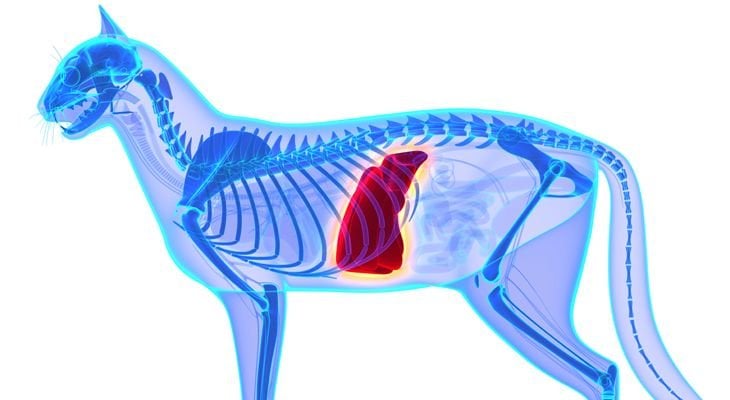
The liver is a very important organ. It is involved in digestion and removing harmful toxins from the blood. Cats can develop several conditions that affect how well their liver works.
Cholangiohepatitis
One of the most common causes of liver disease in cats is cholangiohepatitis. In this condition, both the liver and the gall bladder become inflamed. These organs are involved in the digestion of food that a cat eats.
Short-Term (Acute) Cholangiohepatitis
Short-term cholangiohepatitis can be caused by a bacterial infection that starts nearby in the gut, such as in the small intestine or pancreas. The infection then passes up the tube that carries bile from the gall bladder to the small intestine.
Symptoms of this type include:
- Fever
- Pain in the abdomen
- Enlarged liver
- Jaundice, which shows up as a yellow tinge in the whites of the eyes, skin and mucous membranes
- Vomiting
- Poor appetite
- Loss of weight
- Lack of energy
Diagnosing both short- and long-term cholangiohepatitis requires ruling out other possible causes, including liver cancer. Diagnostic tests may include:
- Blood and urine tests
- X-rays and ultrasound imaging of the abdomen
- Analysis of the bile from the gall bladder
- Examining the liver and gall bladder directly during exploratory surgery
- Liver biopsy, which involves taking a small piece of tissue from the liver
Treatment for short-term cholangiohepatitis includes:
- Rehydrating the cat with intravenous fluids
- Three to six months of antibiotics to treat the bacterial infection
- Surgery if there is a blockage between the liver and gallbladder
Long-Term (Chronic) Cholangiohepatitis
Cholangiohepatitis can also be an ongoing (chronic) problem. This may be a version of the short-term type or be caused by the immune system. It may also result from other types of infections, such as feline leukemia, toxoplasmosis or liver flukes. This can affect some breeds more often, such as Persian cats.
Symptoms of this type include:
- Swelling of the abdomen
- Jaundice
- Inflammation of the lymph nodes
- Other symptoms similar to the short-term type
Chronic cholangiohepatitis can also lead to the final stage of liver disease (cirrhosis). Treatment for this type of cholangiohepatitis includes:
- Rehydrating the cat with intravenous fluids
- Antibiotics
- Other medications, such as a corticosteroid to reduce the activity of the immune system
Not every cat responds to treatment for chronic cholangiohepatitis. Some cats may develop symptoms repeatedly and others may die from the disease.
Hepatic Lipidosis
The most common cause of liver disease in cats is hepatic lipidosis, also known as fatty liver syndrome. During this condition, excess fats (triglycerides) build up in the liver. Over time, this can lead to liver failure.
The cause of this disease is unknown. Hepatic lipidosis is linked to other diseases of the digestive system or metabolism, such as obesity, diabetes mellitus, kidney disease, overactive thyroid or cancer.
Hepatic lipidosis often occurs alongside, or after, a loss of appetite. This causes the cat to avoid food for several days or weeks. The condition can affect all cats, but it may occur more often in obese cats. The loss of appetite may be triggered by a stressful event such as a change in diet, being boarded, moving or the death of other pet companions.
Symptoms of hepatic lipidosis include:
- Severe loss of weight from lack of eating
- Vomiting
- Diarrhea
- Loss of energy
- Jaundice
- Pale mucous membranes
- Enlarged liver
- Excessive drooling
- Retention of abdominal fat
Diagnosis includes a physical examination, blood tests, liver biopsy and using ultrasound to see if the liver is enlarged.
If the underlying cause cannot be found, then treatment for hepatic lipidosis mainly involves supporting the cat and relieving its symptoms. Cats that are treated early have the best chance of recovering. Treatment includes:
- Giving the cat intravenous fluids and nutrients
- Feeding the cat through a stomach tube
- Once the cat is eating on its own (which may require the use of an appetite stimulant), a diet high in protein and calorie-dense may be recommended by a veterinarian
Portosystemic Shunt
A portosystemic shunt is a defect in the way blood flows from the intestines. In healthy animals, blood from the intestines flows first to the liver, which takes out toxins that could harm the brain or other organs.
In a cat with a portosystemic shunt, the blood flows around the liver through one or more shortcuts (shunts). Because it bypasses the liver, the blood is not filtered before it enters the general bloodstream.
Some cats are born with this condition. Certain breeds are more likely to have this defect, including Persian and Himalayan cats. The condition can also be caused later in life by some illness (acquired shunt).
In cats born with a portosystemic shunt, symptoms include:
- Problems with the nervous system
- Kitten not growing properly
- Lack of appetite or weight loss
- Lack of interest in normal activities
- Accumulation of fluid in the abdomen
- Enlargement of the kidneys
- Kidney stones
Symptoms of an acquired shunt may also include:
- Excessive thirst
- Vomiting
- Diarrhea
- Accumulation of fluid in the abdomen
This condition can be diagnosed by injecting special dyes into the blood vessels and taking an X-ray of the abdomen. This allows a veterinarian to see which way the blood flows from the intestines. Sometimes, exploratory surgery may be required.
In cats born with the condition, treatment may involve surgery. If the cat has many shunts, it may not do very well with treatment. In cats that develop a shunt later in life, medical treatments or changes in diet may help. Surgery to change the flow of blood can also improve the cat’s condition.
Liver conditions can be serious, so call our office if you notice any symptoms in your cat, including ongoing vomiting or loss of appetite. We will examine and help diagnose your cat as well as explain all the available treatment options.