
Pets Have Allergies Too!
Your pet's skin issues, inflamed ears, or hair loss could be symptoms of allergies. In fact, allergies are among the top seven health concerns for both dogs and cats, according to the AVMA Pet Ownership and Demographics Sourcebook. Fortunately, your pet's veterinarian can recommend allergy treatment options and modifications that will improve your furry friend's symptoms.
What Causes Allergies?
Allergies happen when your pet's immune system identifies a harmless substance as a potential health threat. These substances, called allergens, can include tree and plant pollen, food, flea saliva, insects, dust, medications, mold spores, and more. Once an allergen enters your pet's body, the immune system produces antibodies that attack the substance and cause allergy symptoms.
Symptoms of allergies in dogs, cats, rabbits, and small animals include:
- Itchy, Inflamed Skin. Your pet might bite, scratch, or lick its skin to try to relieve itching. Visible areas of the skin may look red or raw, or you might notice a rash or bumps on your pets' skin. Itching may affect the ears, head, face, paws, groin, armpits, or other areas of the body.
- Hair Loss. Constant scratching, licking, and biting can lead to hair loss.
- Hot Spots. You may notice a hot spot on your pet, a section of inflamed skin that feels warm to the touch. Hot spots happen when the skin becomes infected due to scratching, licking, and biting.
- Ear Problems. Your pet's ears may look red or become infected due to allergies. Excess ear wax, odor, or crusts on the ear can also be signs your pets are suffering from allergies.
- Scooting. Your dog may scoot its bottom on the floor to relieve anal itching.
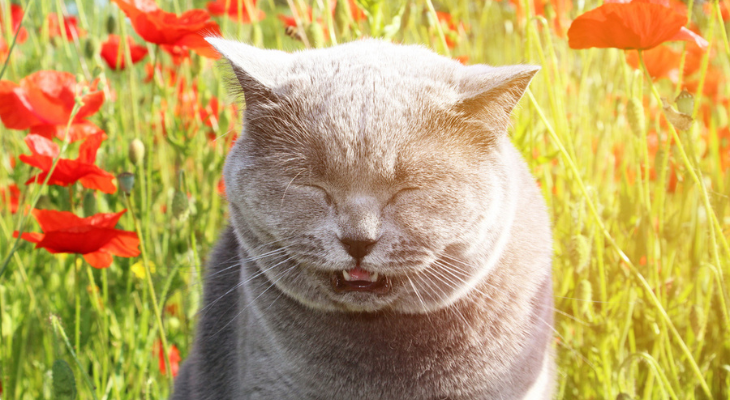
- Upper Respiratory Symptoms. Sneezing, coughing, eye discharge or redness, wheezing, or a runny nose may also be symptoms of allergies.
- Gastrointestinal Symptoms. Some allergies could cause vomiting or diarrhea.
Allergy Treatment Options
Treating allergies starts with determining which allergens cause reactions in your pet. Your pet's veterinarian bases his or her diagnosis on a physical examination and your observations. He or she may also examine skin scrapings taken from your pet or perform allergy skin testing. If the veterinarian suspects a food allergy, a feeding trial may be recommended. During the trial, your pet will eat a special hypoallergenic food. Certain foods will be introduced one at a time to determine which foods cause reactions in your pet.
If the feeding trial reveals that your pet is allergic to specific ingredients in food, your veterinarian can recommend safe food alternatives. Oral or injectable medications can be helpful if your pet has a severe reaction to seasonal allergies. Medications can decrease itching or change the immune system's response to allergens.
Improving Allergy Symptoms at Home
Controlling your pet's allergies doesn't have to be difficult. These strategies may be helpful if your pet suffers from allergy symptoms:
- Decreasing Allergens in Your Home. Keep pollen, mold, and dust spores under control by vacuuming or mopping floors regularly and washing your pet's bedding weekly. Use a moist cloth to clean your pet's paws and the bottoms of your shoes before entering your home. Filter allergens from the air by turning on air-conditioners and air purifiers.
- Bathing. Bathing your pet removes allergens from the fur and skin before they can cause symptoms. Weekly baths with hypoallergenic shampoo or soothing oatmeal-based products should help reduce symptoms. Don't bathe your pet more than once a week, as too frequent bathing can dry the skin and increase itching. Bathing is just as beneficial for cats with allergies as they are for dogs, although not all cats will tolerate a bath. In between baths (or if you can't bathe your cat), remove allergens by wiping your pet's body with a moist cloth.
- Supplements. Omega-3 fatty acid supplements may relieve skin discomfort during seasonal allergy season. Be sure to check with your veterinarian first before giving your pet any type of supplement.
- Use Flea Protection. In addition to using year-round topical or oral flea prevention medication, use outdoor flea spray in your yard. Spraying your yard is important even if your pet never goes outside, as fleas can hitch a ride on your clothing. Keep your pet away from the yard until the spray dries completely.
- Watch the Forecast. Before you take your pet for a walk or open the windows, check the allergy forecast. If pollens or other allergens are high, limit the amount of time your pet spends outdoors.
Is your pet showing signs of allergies? Contact our office to schedule an appointment with the veterinarian.
Sources:
JAVMAnews: More Itchy Pets? No Problem, 2/15/2020
https://www.avma.org/javma-news/2020-02-15/more-itchy-pets-no-problem
Pet Food Institute: Pet Food Allergies
https://www.petfoodinstitute.org/about-pet-food/ingredients/pet-food-allergies/
American Kennel Club: Treating and Preventing Hot Spots in Dogs, 7/25/2022
http://www.akc.org/content/health/articles/treating-and-preventing-hot-spots-on-dogs/
Tufts Now: How Seasonal Allergies Affect Your Pet, 5/26/2020
https://now.tufts.edu/2020/05/26/how-seasonal-allergies-affect-your-pet