
Adopting a New Pet? The 3-3-3 Rule Could Help Ease the Adjustment Process
Remember when you moved into your current house or apartment? Although you may have been excited about the move, it probably took a while for your new place to feel like home. Pets feel the same way when they join their forever homes. Helping your furry friend feel comfortable may be a little easier if you keep the 3-3-3 rule in mind. The rule breaks the adjustment process into three days, three weeks, and three months. Here's what you can expect during each phase:
Three Days
Adjusting to a new home and a new family is a major life change for pets. It's not unusual for them to feel stressed and anxious at first. The behaviors pets exhibit during the first few days in their new homes may not reflect their personalities or training. For example, a housetrained pet may have a few accidents as it learns new routines and adapts to its new life.
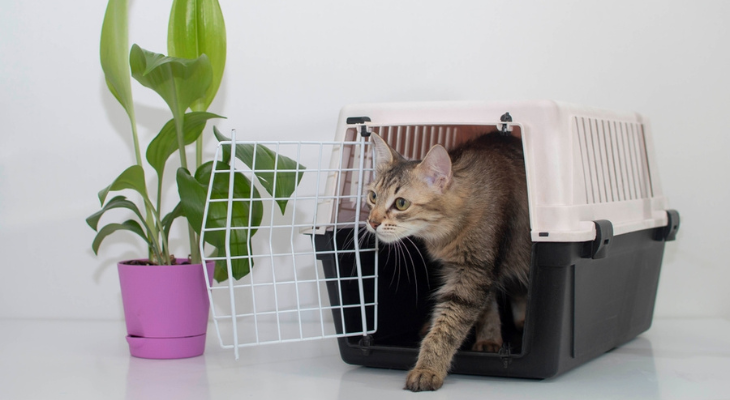
During this stage, your dog or cat is getting used to you, your home, and your family. Some pets are fearless and immediately begin exploring your home. Others may look for secluded places to observe the action around them. Your new cat or kitten might retreat to the space under your bed or behind the couch, while your new puppy or dog may prefer to spend time in the safety of its crate. Although you'll want to visit your pet and speak reassuringly to it, don't try to force your dog or cat out of its safe space. Doing so will only prolong the adjustment process and cause unnecessary stress.
Show your pet the locations of its food and water dishes, bed, toys, and litter box. If your pet spends its days hiding, it may feel more comfortable exploring your home during the night. Keep essential items, like food dishes, and litter boxes, in easy-to-find locations. While your cat adjusts to your new home, it may be helpful to place a litter box on every level of your home.
Many pets feel more confident after about three days, although the process can take longer for some pets.
Three Weeks
During the next three weeks, your pet will adjust to new routines regarding meal times, playtime, and bathroom breaks. This is also the time for your pet to start to learn the rules of your home. Gentle training techniques are best when teaching your dog or cat new commands or rules.
Scratching, a natural behavior for cats, keeps nails sharp and offers a way to mark territory. The corner of your couch looks like the ideal place to scratch from your cat's perspective, although you probably don't agree. The ASPCA recommends covering furniture corners with plastic, double-sized sticky tape, or upside-down carpet runners to prevent damage to your furniture and discourage scratching. Putting a scratching post next to the furniture will help your pet learn that the post is the acceptable place to scratch. When your cat uses the post, praise it and offer a treat.
The first three weeks are the ideal time to start training your dog or continue its education if it knows a few commands. Use positive methods to teach basic commands like "sit" and "stay." For example, say "sit," gently push your dog's hindquarters into a sitting position, and offer a treat and praise. If you'd like a little help training your dog, enroll in an obedience class. The classes are fun for people and pets and provide the opportunity to spend one-on-one time with your dog.
Three Months
At three months, your pet has begun to feel secure, confident, and happy with its new life and new home. During the past few months, you probably discovered a few adorable personality quirks that make your dog or cat a valued family member.
Pets thrive on daily attention from you, whether they've just joined your family or have lived in your home for several months. Set aside time every day to enjoy your furry friend's company. In addition to lavishing affection on your pet, engage its mind with toys or games, like fetch (for both dogs and cats).
Have you adopted a new pet recently? A visit to the vet will help you ensure that your pet is healthy and up-to-date on important vaccines. Contact our office to schedule a visit for your companion.
Sources:
ASPCA: Destructive Scratching
https://www.aspca.org/pet-care/cat-care/common-cat-behavior-issues/destructive-scratching
Humane Society of North Texas: The 3-3-3 Rule: A Pawsitively Perfect Guide to Bringing Home Your New Adopted Dog
https://www.hsnt.org/post/the-3-3-3-rule
American Kennel Club: How to Help an Adult Dog Adjust to a New Home, 2/23/2023
https://www.akc.org/expert-advice/home-living/how-to-help-an-adult-dog-adjust-to-a-new-home/
Petfinder: Tips for New Cat Owners
https://www.petfinder.com/cats-and-kittens/adoption/new-cat/tips-for-the-first-30-days-cat/