
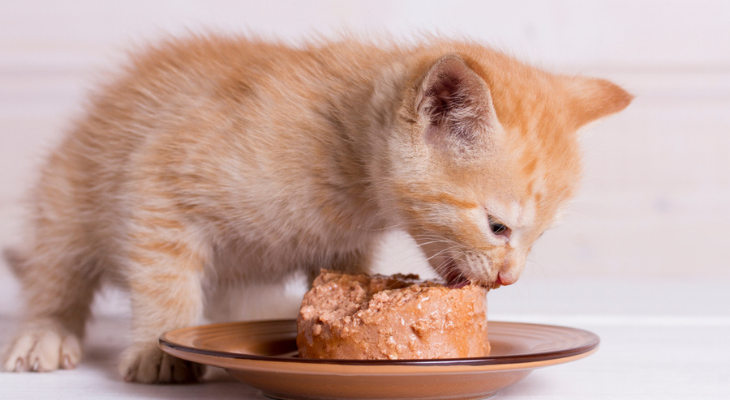
How and When to Introduce Solid Food to Your Kitten
Although kittens are initially dependent on their mothers for everything, those wriggling bundles of fur are ready to try solid food for the first time in just a few weeks. If you're not sure when you should offer your kitten solid food, you'll want to take a look at our suggestions.
The First Few Weeks - Getting Ready to Eat
Your kitten's mother provides the milk needed to nourish your growing pet during its first few weeks of life. Kittens are born blind, but their eyes gradually open during the first two weeks. As your kitten's vision sharpens, it will begin to venture a little farther from its mother's side. Since good vision is essential for finding food, this is an important milestone.
Your kitten's baby teeth appear by the time it's about 3 weeks old. Kittens need those teeth to mash and grind solid food. The baby teeth will be replaced by permanent teeth at three to four months of age.
When to Introduce Solid Food
In the wild, mother cats bring live prey to their babies when they're about 4 weeks old, according to International Cat Care. Four weeks is also the ideal time to introduce solid food to your kitten. PetMD notes that kittens are ready for solid food when they have baby teeth, are interested in their mother's solid food, and have become curious, playful, and mobile.
Deciding What to Feed Your Kitten
Kittens need extra calories and nutrients that will help them grow into healthy adult cats. Growing kittens need more protein, amino acids, minerals, and vitamins than adult cat foods can provide. When you shop for your pet, look for foods that are specifically intended for kittens.
How can you tell if a food is a good choice for your kitten? Look for a statement that the food meets the nutritional requirements of the American Association of Feed Control Officials (AAFCO). This statement is usually located under the list of ingredients on the kitten food package. If you're feeling a little overwhelmed by all the food choices, your veterinarian can make a few suggestions.
Starting Solid Food
As your kitten adjusts to eating solid food, it will still need to nurse or drink formula from a bottle. Start the weaning process slowly by adding some warm water to a tablespoon of canned kitten food and offering it to your pet. The ASPCA advises against mixing food with cow's milk, as milk can cause an upset stomach and diarrhea in some kittens.
During the next week or two, gradually increase the amount of food you provide and decrease the formula if you've been hand-feeding your kitten. If your kitten is nursing, WebMD suggests separating the mother and kitten for a few hours every day. Separating the kitten will increase its interest in eating solid food rather than nursing. By the time your kitten is 5 or 6 weeks old, you may be able to introduce dry food moistened with water.
Both dry and wet kitten food provide the nutrients your kitten needs. You may find that your kitten prefers one kind or enjoys both wet and dry food. If you only feed your kitten dry food, make sure you offer plenty of fresh water to reduce the risk of urinary tract infections. Canned food contains 70% water, while water only accounts for 10% of dry food, according to PetMD.
Most kittens that follow this weaning process are solely eating kitten food by the time they're 8 to 10 weeks old. If your kitten is having trouble adjusting to solid food or isn't gaining weight, let your veterinarian know as soon as possible.
Regular veterinary visits are essential to your kitten's health and offer the perfect time to discuss feeding issues and other concerns. Ready to make an appointment for your new addition? Contact our office to schedule a visit.
Sources:
International Cat Care: Bringing up a Litter of Kittens: Health Considerations, 7/31/2018
https://icatcare.org/advice/bringing-up-a-litter-of-kittens-health-considerations/
PetMD: Weaning Kittens: When and How to Introduce Solid Food, 11/21/2023
https://www.petmd.com/cat/general-health/weaning-kittens
WebMD: Weaning a Kitten from Mother's Milk to Solid Food, 9/9/2023
https://www.webmd.com/pets/cats/weaning-kitten
PetMD: Wet Cat Food Vs. Dry Cat Food: Which Is Better, 1/19/2021
https://www.petmd.com/cat/nutrition/wet-cat-food-vs-dry-cat-food-which-better
ASPCA: Cat Nutrition Tips